“Breadboard is an app builder that makes development as visual as Figma”
Users attach natural language logic (based by Hyperscript) directly to UI components, removing the need for code or complex environment setups. To handle complex applications, Breadboard will feature an AI Workflow acting as an AI lead engineer. It pair-programs with the user in real-time, guiding them through complex architecture and component stacking.
Intiative
THE “BLACK BOX” VIBE CODING EXPERIENCE
Vibe coding has become one of the most common practice for quick prototyping recently. However, building fully functional apps is the different question. They are still too hard for non-programmers to build as AI tools spit code that they can’t understands. Even for prototyping AI often gets derailed from users’ prompts. As a result, the overall experience ends up getting uncontrollable and incomprehensible.
We wanted to take a contrarian approach and empower users with all levels of knowledge to build fully functional, production-ready apps on their own.
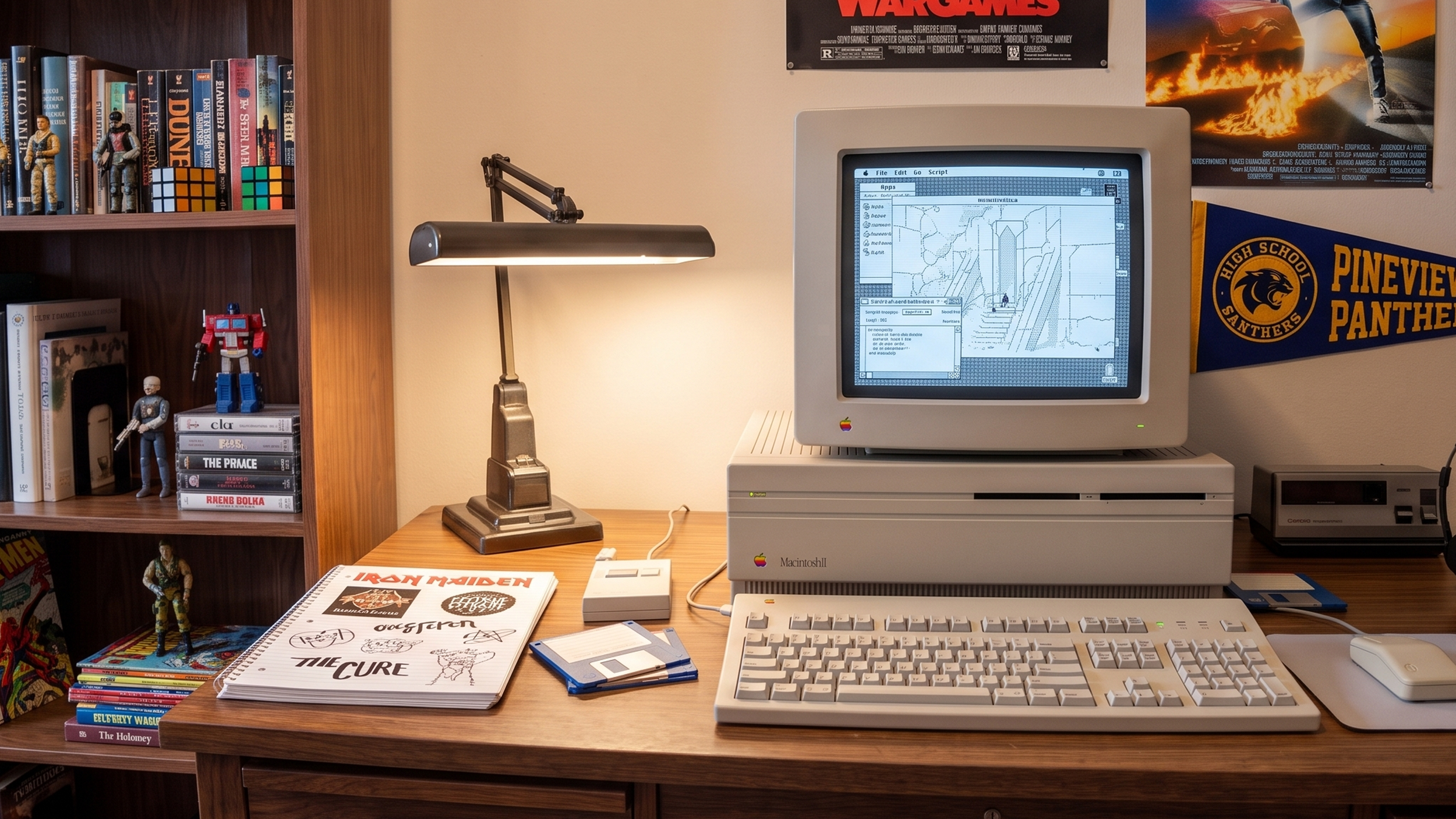
REviving the vision of Hypercard
Our team was heavily inspired by HyperCard, an archetype of the app builder made by Apple in 1987. It was an early, magical idea: what if anyone could build digital tools and experiences, simply by thinking and writing in plain English? HyperCard envisioned of empowering people, helping them feel capable of shaping technology, not just consuming it.
We wanted to go back to the roots of HyperCard, and build the next generation of software that feels like a deck of interactive cards rather than a scary wall of code.
Key features
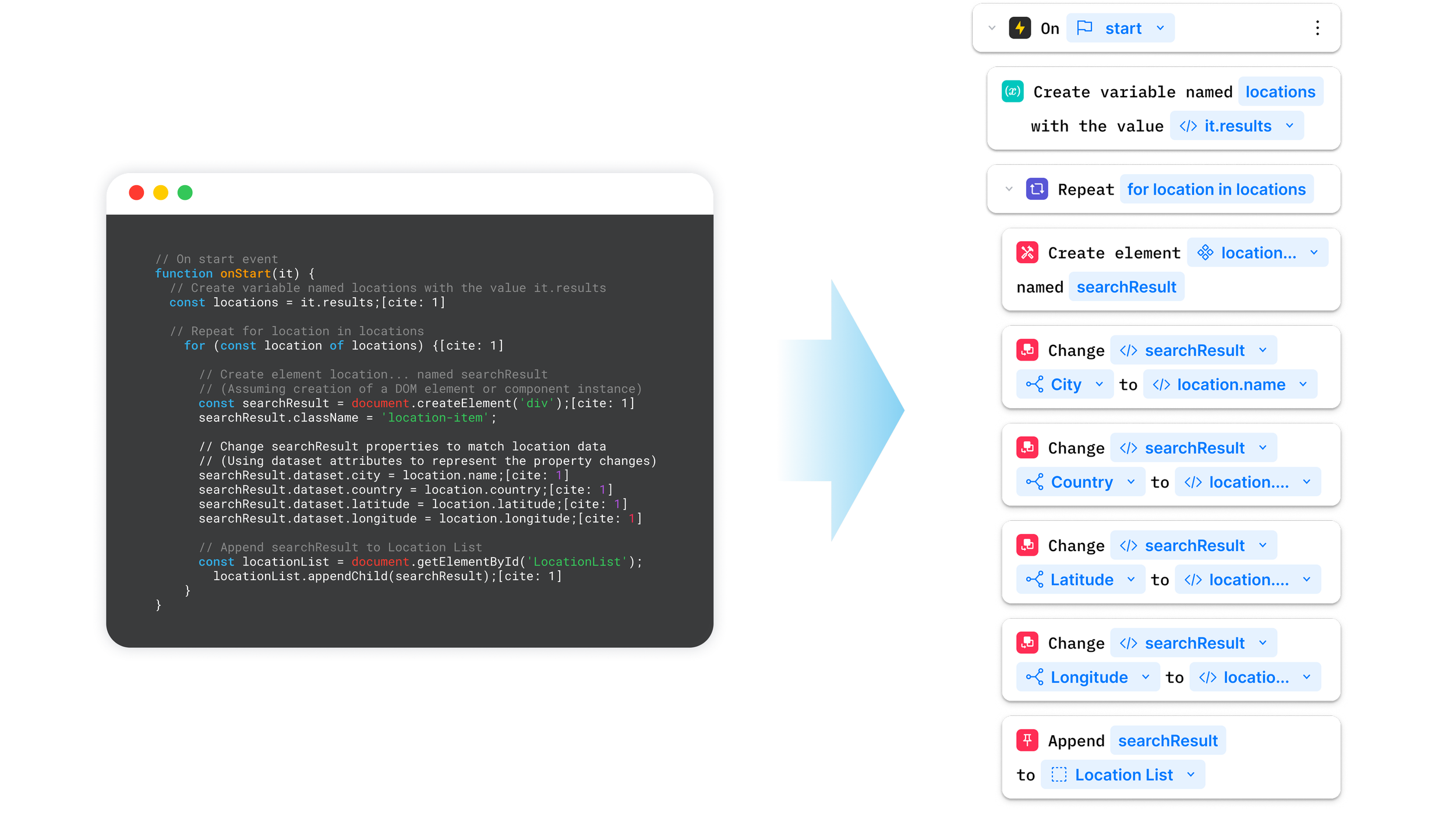
Visual & readable logic
To do that, we completely redesigned our logic builder. We took heavy inspiration from Apple Shortcuts — it uses those familiar, readable “action cards” that just snap together. With the visual logic cards, users can understand what is going on much easier and clearer.
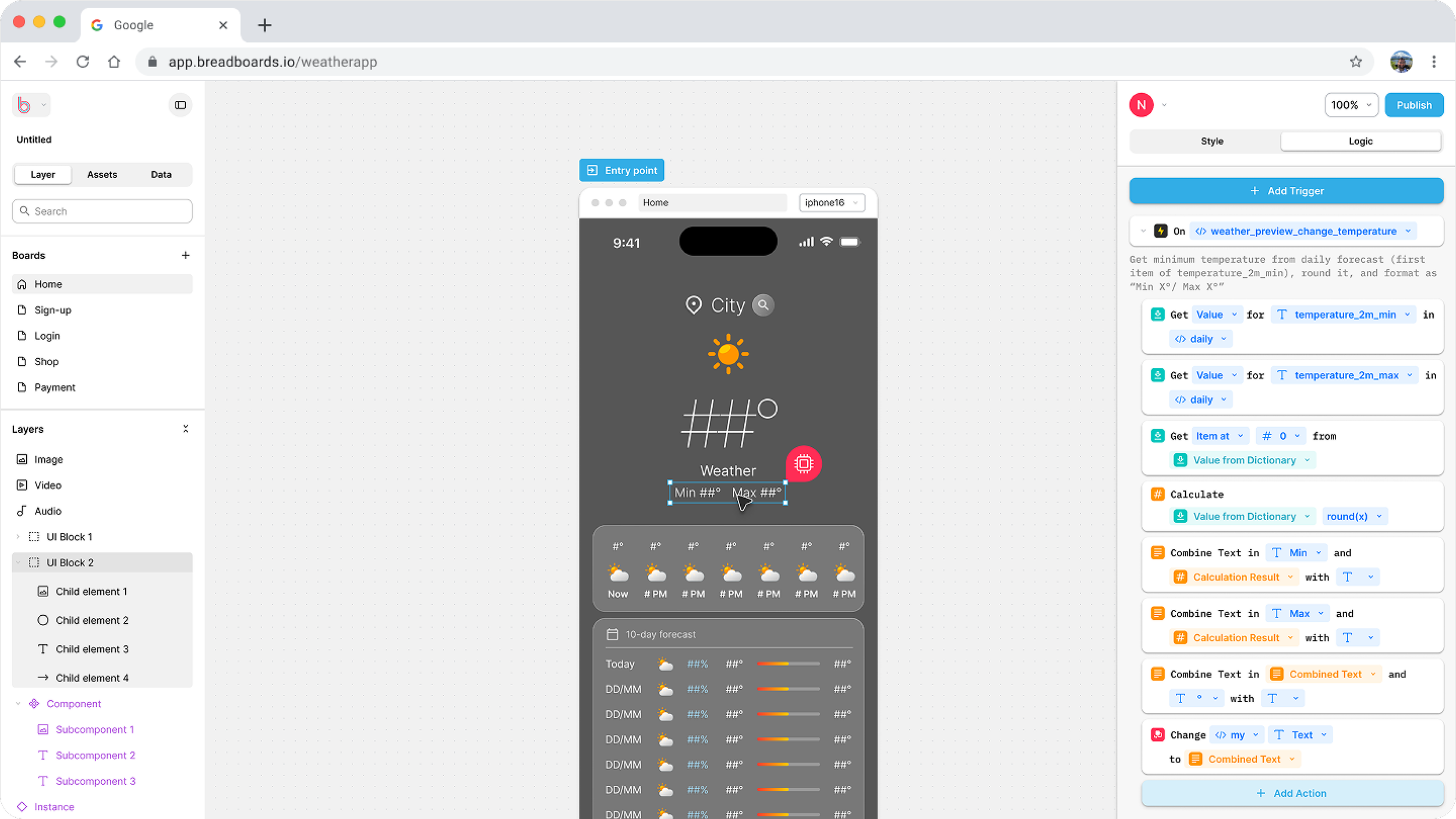
Add logic directly to UI
On top of the logic card UI, we added one more twist: Locality. Instead of hiding your logic in a separate menu, you attach these Shortcut-style cards directly to the UI elements they affect.
Want a button to open a menu? Just snap a logic card onto it, right there on the canvas. It makes your app’s brain readable, manageable, and actually fun to build.
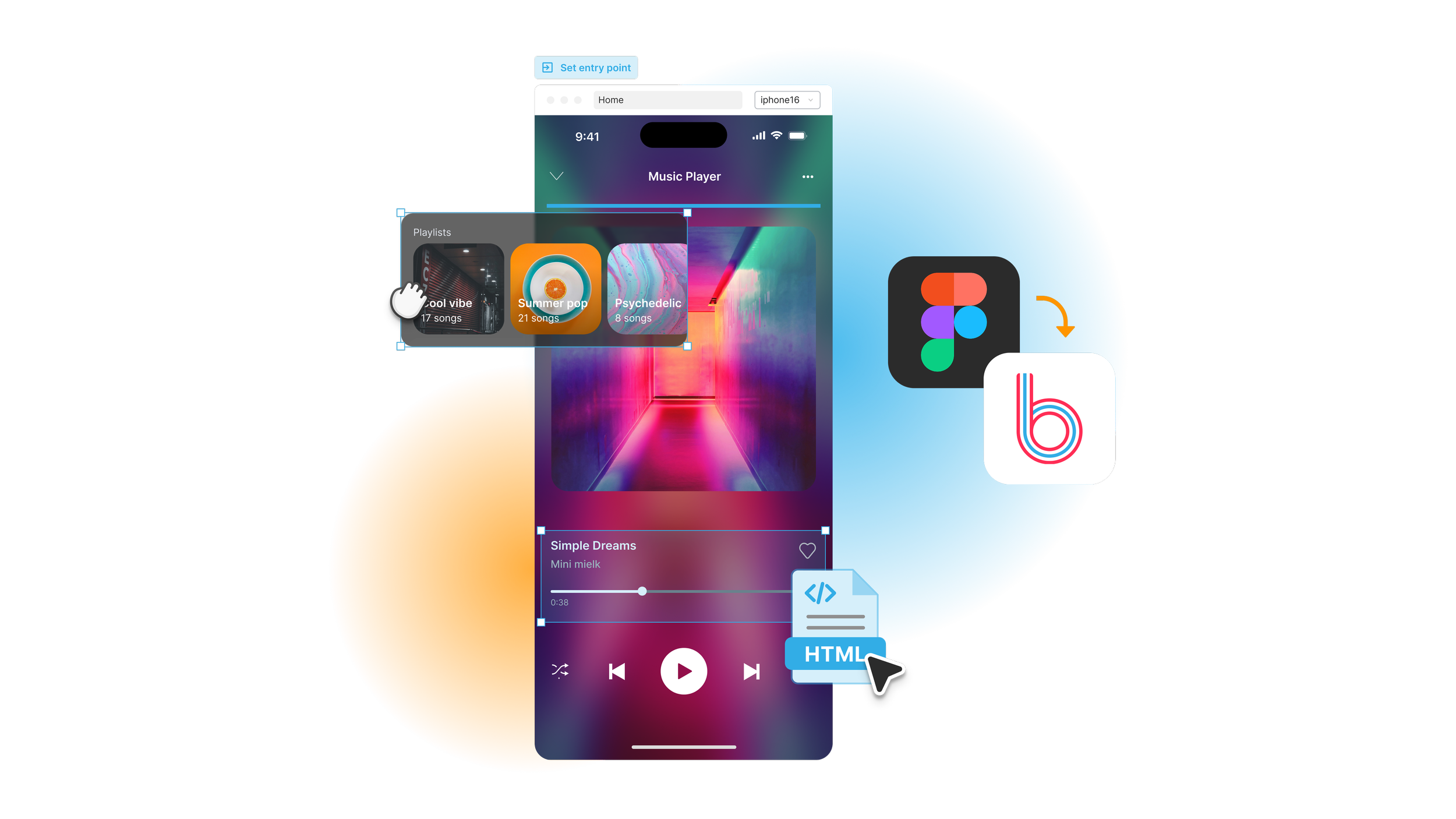
Maximum freedom in UI design
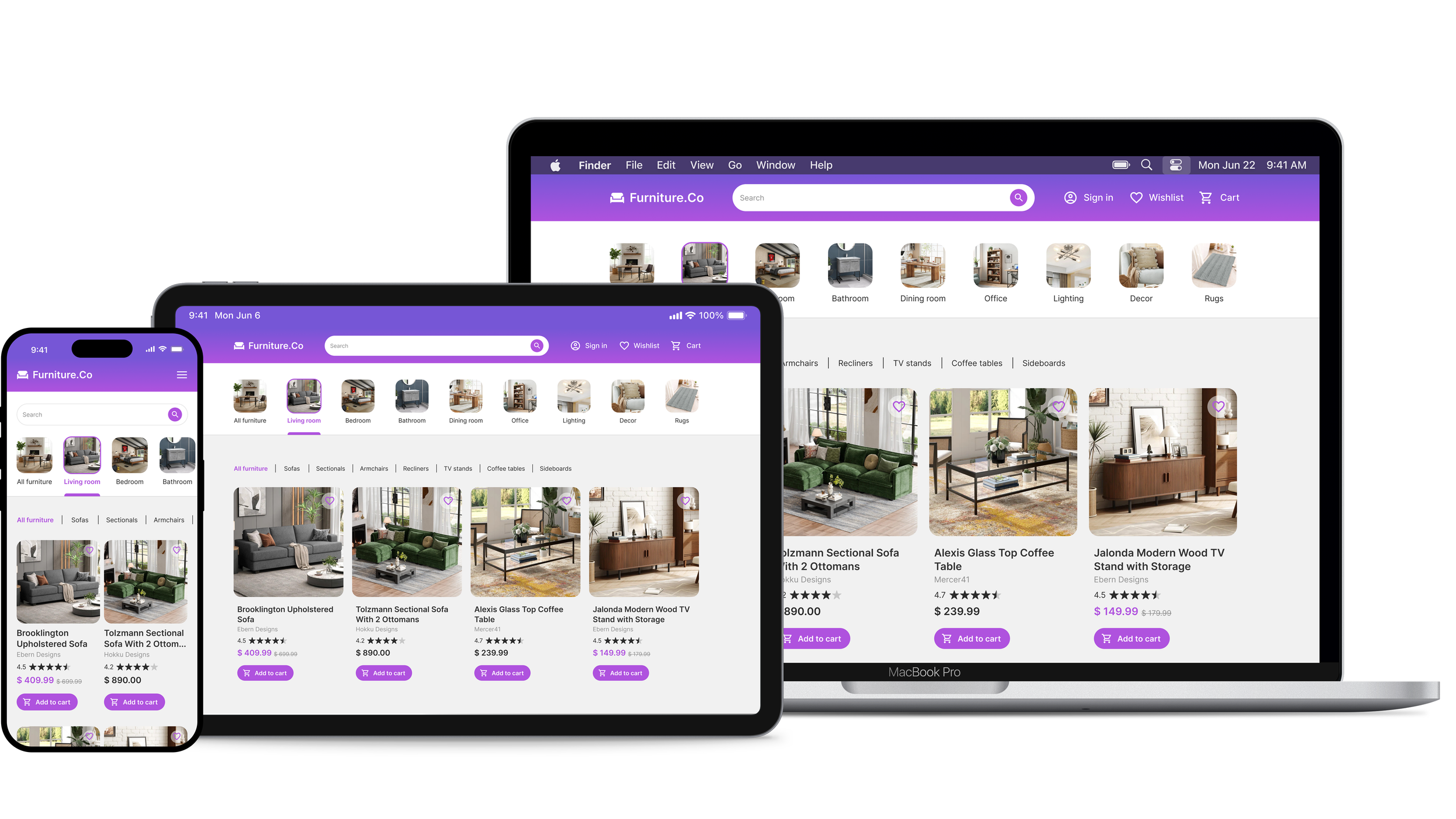
Because of its canvas-based interface, users naturally want to edit their app UIs after import. Which is why we introduced the Style Editor — a feature that lets users tweak every pixel, import Figma files, custom SVG/HTML files & UI libraries, and build responsive, robust screens for powerful apps with polished interfaces.
Publish web app in two clicks
The biggest “wall” between an idea and the world has always been deployment. Users often get stuck dealing with servers, domains, and complex setups just to get it live. Breadboard knocked that wall down - with our new One-Click Publish, fully functional, responsive apps go from draft to live URL in seconds.
Supercharge with AI Agents
We also introduced Rubber Duck, an AI-powered agent that helps create high-quality UI in Figma and build logic blocks for beginners. Users can bring their own API keys, choose from multiple AI models (e.g. Gemini for the UI agent, Opus for the Logic agent, and tailor the agent experience to their creative process.
North-star vision
Breadboard lets anyone build, share, and remix web apps. We have a bold envision to make it self-sustaining platform built with itself, right down to our own documentation. Our north-star vision takes this one step further by making the Breadboard canvas itself fully editable: users will be able to reshape the interface to match their workflow, whether that means adding 3D modeling, motion design, or entirely new tools on the fly.